


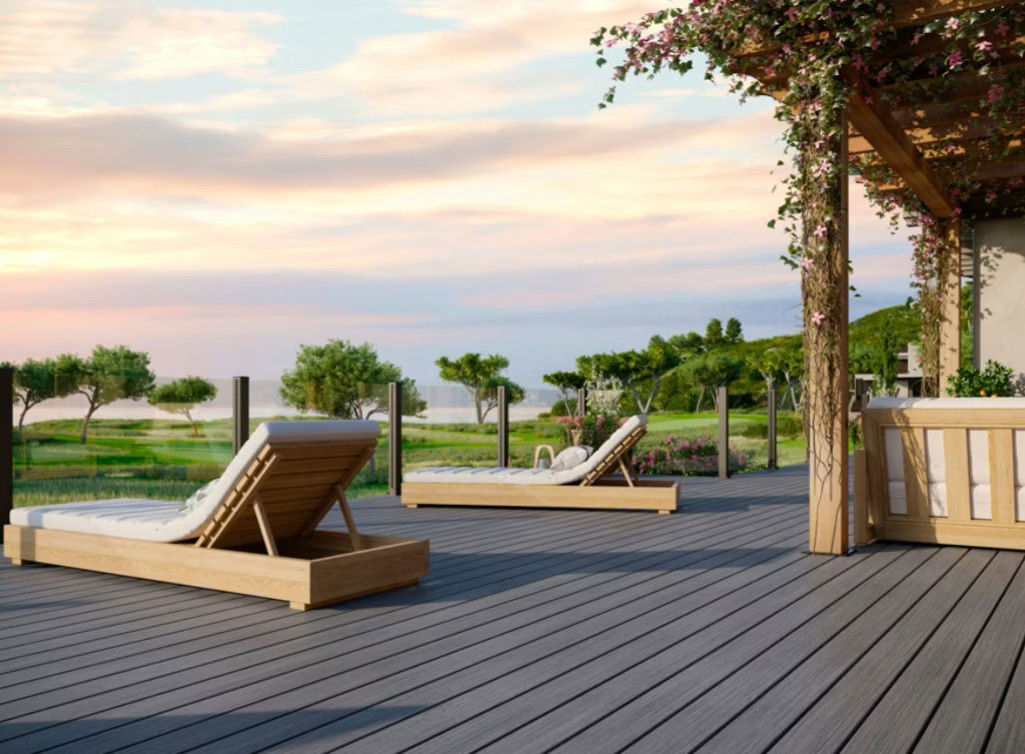


Selecting the right decking material is one of the most important steps in building a deck. The best choice for you depends on whether your priorities are budget, low-maintenance, or durability, or whether you’re looking to create a style that's rustic, classic, or modern. Each type of decking offers its own benefits, challenges, and style. In the end, it’s a blend of practical needs and personal preference that will guide your decision. In this article, we’ll walk you through the most popular decking material options and help you compare the pros and cons of each.
Types of Decking Materials
There are several types of decking materials to consider, including composite, wood, and PVC. Each offers its own look, maintenance level, and performance features. Taking time to understand your options now will help set your project up for long-term success. Let's get started!
Pros and Cons of Composite Decking
| PROS | CONS |
|
|
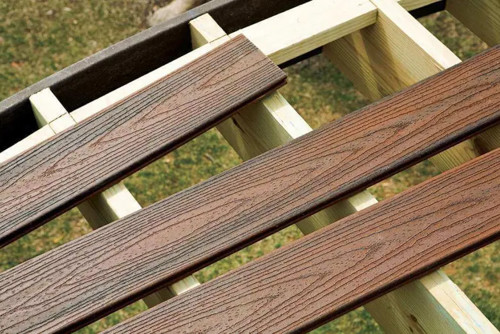
There are many types of composite decking. In general, the word “composite” means different materials combined to create a new finished product. Most commonly, low-density polyethylene (LDPE) and wood fibers are used together, but some products use rice hulls, high-density polyethylene, and other combinations of various materials. Some environmentally conscious manufacturers may use up to 95% recycled materials. If lowering your carbon footprint and reducing the amount of materials destined for the landfill is important to you, composite may be your best bet.
Composite deck boards are sturdy and scratch resistant, and offer many colors and textures to choose from. Composite decking is resistant to the elements and very low-maintenance. It doesn't require sanding or refinishing. Washing your deck a few times per year is typically the extent of the required maintenance. With minimal care, high-quality materials like Trex® Composite Decking can last 25-50 years.
Capped vs Uncapped Composite Decking
Capped composite deck boards feature a protective plastic shell that shields them from moisture, UV rays, and insects—making them highly resistant to rot, warping, fading, stains, and scratches. It’s one of the most durable and low-maintenance decking options available.
Uncapped composite deck boards, by contrast, lack an additional protective layer. They're more prone to moisture damage, uneven fading, staining, mold growth, and surface wear. Because of the lower durability and higher maintenance requirements, uncapped decking is generally not recommended.
The Price of Composite Decking
The cost of composite decking typically ranges from $5 to $13 per square foot, depending on several factors. These include whether the boards are capped or uncapped, the type of materials used in the core, the level of detail in the finish, and the durability. Other price factors can include board size, installation style (such as grooved vs. square edge), and warranty coverage. While composite decking is more expensive than some wood options upfront, it often saves money over time due to its low maintenance and long lifespan, which is why it has become one of the most popular and fastest-growing decking materials on the market.
Wood Decking
There are several types of wood decking to choose from when planning your new deck. The most common wood for decking includes cedar and pressure-treated. Other wood decking options include tropical hardwoods such as ipe.
PROS AND CONS OF PRESSURE-TREATED DECKING
| PROS | CONS |
|
|
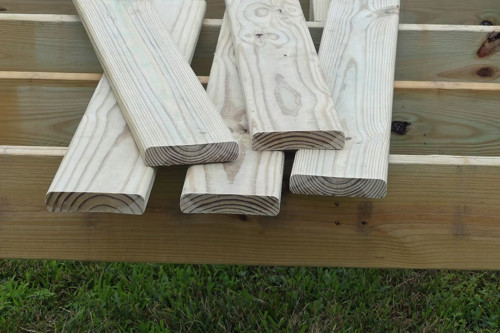
Readily available at home centers and lumberyards, pressure-treated lumber is one of the most widely used and affordable decking options. Unlike standard wood, it’s infused with chemicals that help resist insects, mold, mildew, and rot—boosting its durability for outdoor use. It’s also easy to cut, fasten; however, some precautions are needed during installation. It's best to wear a mask when cutting or drilling to avoid inhaling chemical-treated dust, and scraps should never be burned, as they can release harmful fumes.
While pressure-treated wood isn’t always the most attractive out of the gate, applying a stain can dramatically improve its appearance. For best results, let the wood weather for a few months before staining, and consider sanding for a smoother finish. Compared to composite decking, pressure-treated wood requires more maintenance and is more likely to shrink, warp, crack, or splinter over time. But with proper care—including regular cleaning, sanding, and staining—it can provide years of reliable performance.
The Price of Pressure-Treated Decking
Pressure-treated wood is one of the most budget-friendly decking materials on the market, typically priced around $3 to $6 per square foot. This makes it an attractive choice for homeowners looking to build a large deck without breaking the bank. In addition to the low cost of materials, installation tends to be less expensive as well, since pressure-treated lumber is easy to cut and work with using standard tools. However, it’s important to factor in the ongoing maintenance costs—such as cleaners, stains, and sealers—which can add up over time.
PROS AND CONS OF CEDAR DECKING
| PROS | CONS |
|
|
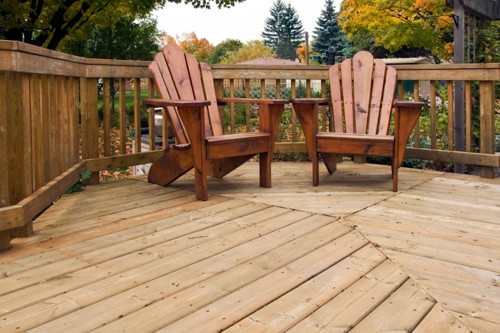
Cedar is considered a softwood and is widely regarded as a premium natural decking material due to its beauty, workability, and natural resistance to the elements. It has a rich, warm appearance when freshly installed. Over time, cedar weathers to a silvery-gray patina, which many homeowners appreciate. It’s also lightweight and easy to cut and fasten, making it a favorite among DIYers and professionals alike.
What truly sets cedar apart is its natural resistance to rot, decay, and insect damage, due to its high levels of tannins and oils. Unlike pressure-treated wood, these protective qualities are inherent and chemical-free. However, cedar is still a natural wood and requires ongoing maintenance to preserve its color and prevent surface cracking or mildew. Without regular sealing or staining, the wood can become dry and splinter over time. Additionally, the quality of cedar available today can vary—clear grades or heartwood will last longer than more affordable sapwood cuts—but with proper installation and care, a cedar deck can outlast and outperform pressure-treated wood options.
The Price of Cedar Decking
Construction-grade cedar decking generally costs $4 to $8 per square foot, depending on the availability in your region. Higher-grade options, such as select grain cedar or heartwood from older trees, may only be available at smaller mills and will command a premium price. Installation costs are typically on par with pressure-treated decking. And just like pressure-treated lumber, ongoing maintenance—like annual staining and cleaning—should be factored into the total cost of ownership. While cedar is more expensive than pressure-treated wood upfront, many homeowners feel the improved appearance and natural durability justify the higher price.
Note: Redwood decking is another softwood with similar characteristics as cedar and comparable in price, but its popularity has dwindled over the years, making it harder to source.
THE PROS AND CONS OF IPE DECKING
| PROS | CONS |
|
|
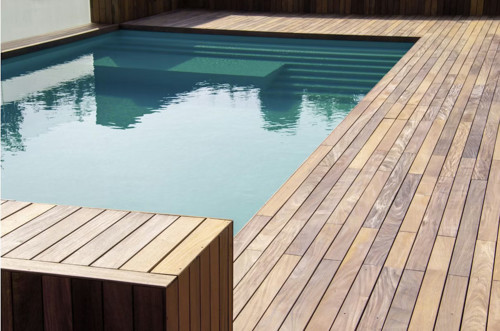
Ipe is a hardwood and is widely considered one of the most durable and beautiful natural decking materials available. Sourced primarily from the rainforests of Central and South America, ipe—often called Brazilian walnut—is incredibly dense, insect- and rot-resistant, and can last up to 75 years when properly installed and maintained. Its rich brown tones, tight grain, and minimal knots give it a high-end, timeless look. Due to its natural hardness, ipe performs exceptionally well under heavy foot traffic and weather exposure. However, this same density makes it difficult to carry, cut, drill, and finish, often requiring special tools and frequent maintenance to preserve its appearance. Annual refinishing is recommended, especially in sunny or harsh climates, to prevent it from fading to a silvery gray.
Despite its performance benefits, ipe decking has significant environmental and ethical concerns. Because it grows slowly and is primarily harvested from old-growth rainforests—particularly in the Amazon—its high demand contributes to illegal logging, deforestation, and habitat destruction. Additionally, ipe’s weight and the distances it travels to reach international markets result in a large carbon footprint.
The Price of Ipe Decking
Ipe decking is one of the most expensive natural wood options available. Pricing varies based on region and board quality, but you can expect to pay $7 to $12 per square foot for materials alone. And because Ipe is difficult to work with, expect to pay more for installation as well. For homeowners prioritizing long-term durability and a luxury aesthetic—and who are prepared for the upfront investment—ipe can be worth the cost. However, high-end composite decking products offer a comparable look and durability, with far less maintenance and a significantly lower environmental impact.
PROS AND CONS OF PVC DECKING
| PROS | CONS |
|
|
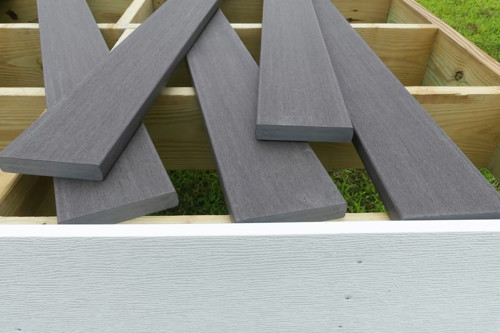
PVC (polyvinyl chloride) decking is made entirely from plastic, which gives it certain advantages over wood—but also some trade-offs. High-quality PVC boards resist moisture, rot, and insects, and they don’t require staining or sealing. This makes them low maintenance compared to natural wood. However, not all PVC products are created equal, and lower-end options can look overly artificial or become brittle over time.
Aesthetically, PVC decking comes in a range of colors and wood-look finishes, but some homeowners feel the plastic appearance lacks the warmth and character of real wood. While manufacturers have improved the look and feel of PVC boards over the years, they may still not match the depth and variation of natural materials.
The Price of PVC Decking
PVC decking tends to be among the more expensive options, with prices typically ranging from $10 to $15 per square foot, depending on the brand and style. While the reduced need for maintenance may offset some long-term costs, the higher upfront price can be a barrier for budget-conscious projects. Another downside is that most PVC boards are made from more virgin and less recycled materials. Using more virgin materials doesn’t always equate to better performance. Higher virgin material content also increases environmental impact and creates a larger carbon footprint, making PVC a less sustainable choice for eco-minded homeowners compared to some wood and composites options.
What is the Best Deck Material for My Home?
Pressure-treated lumber is the most affordable option and is widely available, but it requires frequent upkeep and is prone to warping, splintering, and fading over time. Cedar offers a more refined look and natural resistance to rot and insects, though it still needs regular sealing to maintain its appearance. Exotic hardwoods like ipe are extremely durable and beautiful, but they’re costly, difficult to work with, and come with environmental concerns. PVC decking delivers long-lasting performance and minimal maintenance, but it often has a higher price tag and fewer style options. Composite decking brings together the best of all worlds, offering the rich look of wood, unmatched durability, ultra-low maintenance and environmental sustainability, a winning combination that’s hard to beat.
How to Choose The Right Deck Material Options
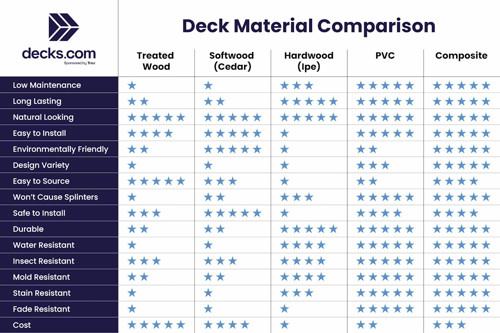
Still undecided? To help you compare your choices at a glance, we’ve created a side-by-side chart that outlines the key differences between composite, wood, and PVC decking. Use it to weigh the pros and cons of each material based on your priorities—from price and durability to appearance and maintenance.
More Helpful Info Before You Start Building Your Deck


